
Myofascial Release (Barnes Approach)
Slow, specific work for fascial restriction that can drive pain and stiffness.
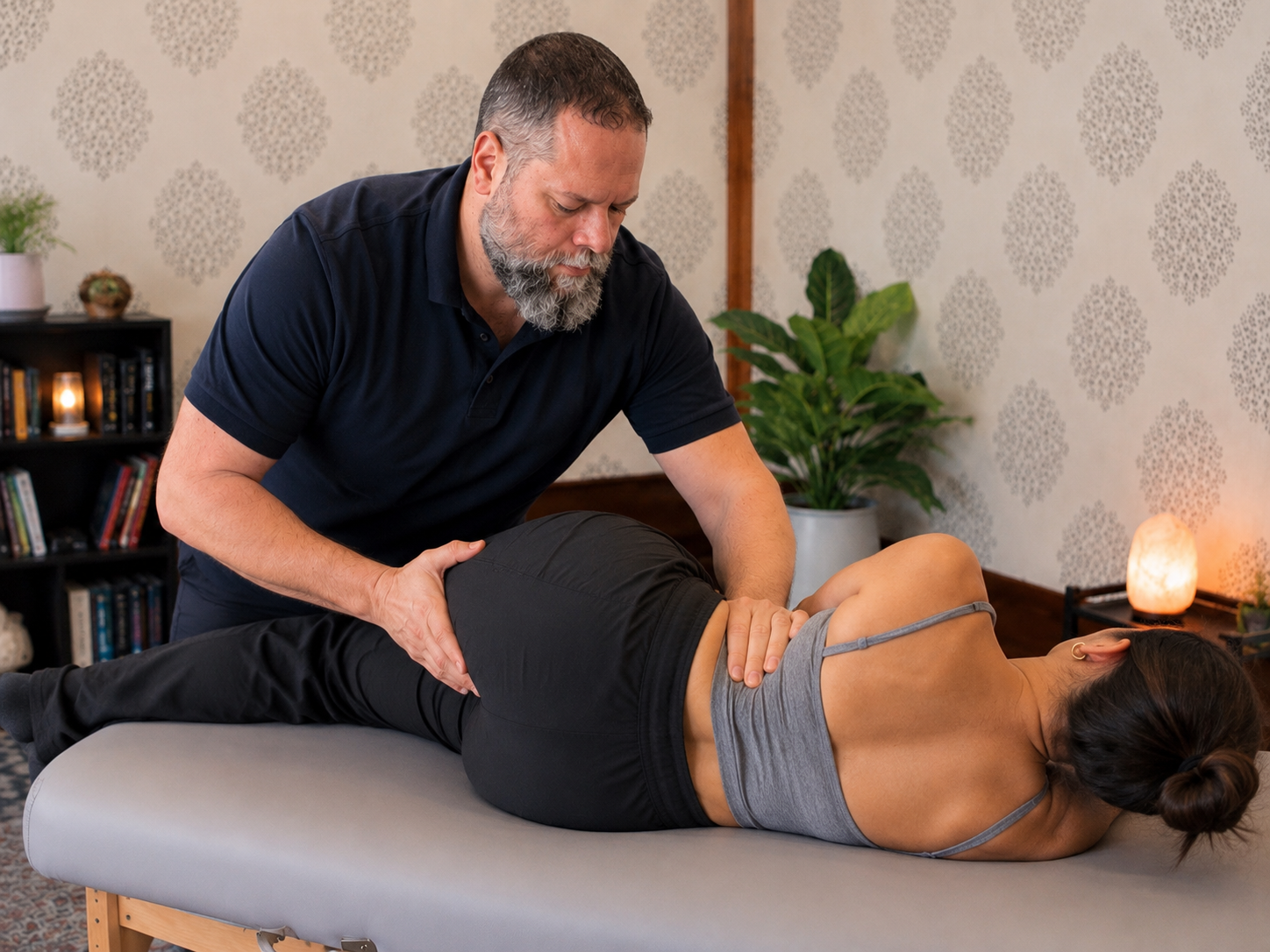
Myofascial Release (MFR) is different from standard massage. It’s slower, more precise, and often more gentle—designed to work with the body’s connective tissue system (fascia) when it has become restricted and is limiting comfort and movement.
What is fascia—and why it matters
Fascia is the connective tissue that surrounds and interweaves through muscles and structures throughout the body. When fascia becomes restricted (often after injury, inflammation, repetitive strain, or stress), it can contribute to pain, pulling sensations, postural strain, and reduced range of motion.
The Barnes Approach—how it feels
In the John F. Barnes Approach, MFR typically uses gentle, sustained pressure into restricted areas, held long enough for tissue to soften and change. This “time element” is part of why the work can feel slow and subtle compared to kneading-style massage.
Many clients notice that the relaxation can be deep and long-lasting—not because the work is forceful, but because the nervous system is not being asked to brace against it.

Myofascial Release for Tightness and Restricted Movement
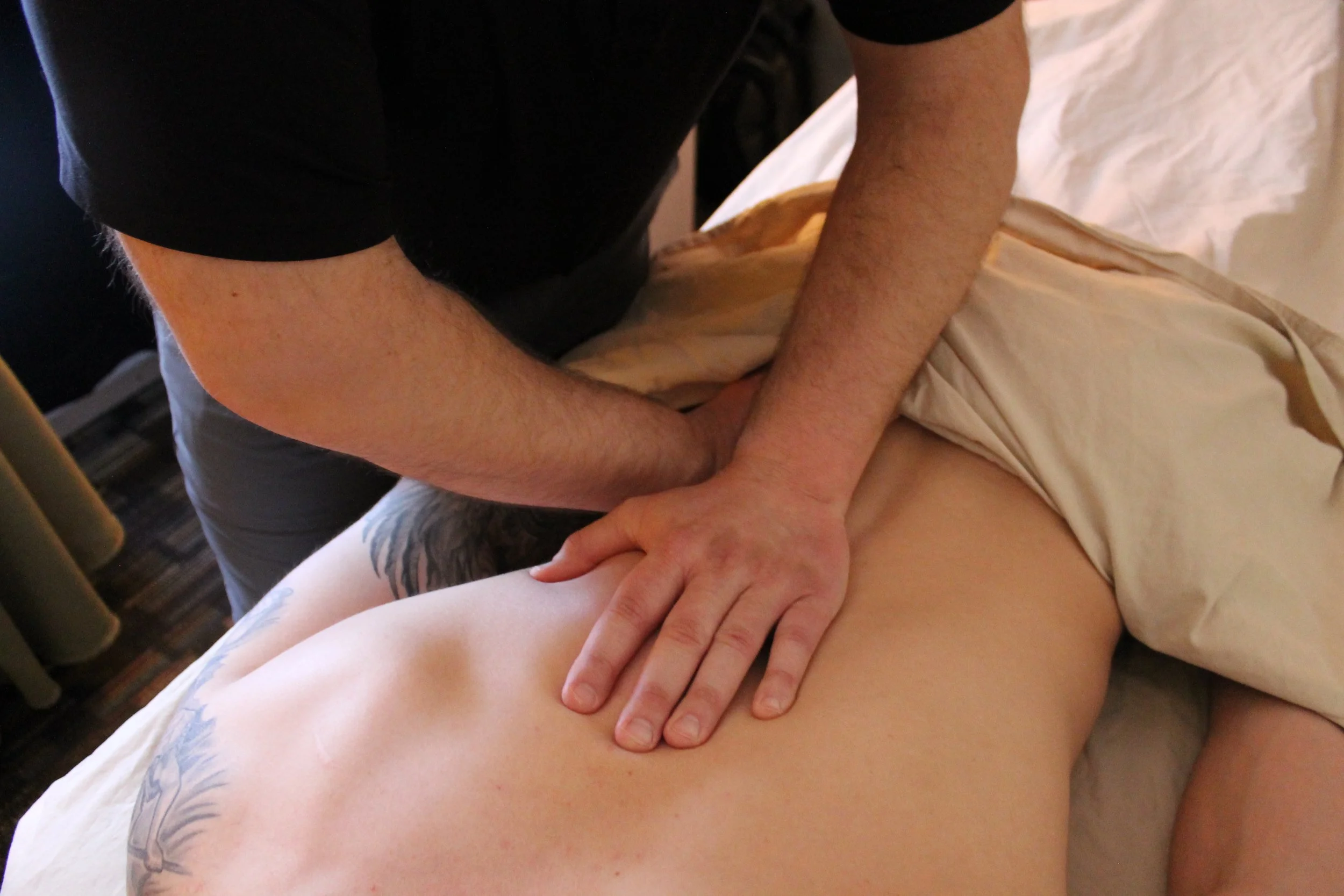
Myofascial Release (MFR) is a hands-on approach that uses gentle, sustained pressure into restricted areas. Sessions are paced carefully and adapted to your comfort, needs, and goals. My work draws on the John F. Barnes approach to MFR.
When MFR Might Be a Good Fit
You may want to explore MFR if you are experiencing persistent tightness, stiffness, familiar pain patterns, or limited range of motion. We will talk about what you are noticing and decide together whether this approach makes sense for your session.
What a Session May Include
MFR is generally slower and more precise than a broad, vigorous massage. I use gentle, sustained contact and adjust the pressure and pacing in response to your feedback. The session may focus on one area or combine MFR with other appropriate bodywork, depending on your goals and how your body responds.
Integrate MFR with Other Services
MFR can be part of an integrated bodywork session. Depending on your needs, we may also consider Therapeutic and Orthopedic Massage or Active Isolated Stretching. We will discuss the options together and choose a clear focus for the session.
What A Session Looks Like
We start with a brief conversation about your main symptoms and what you want to be different. Then we work slowly and specifically, often spending longer in fewer areas to create real change. If appropriate, I may integrate gentle movement or stretching to help your body use the new range of motion.
Integrating MFR with other services
MFR can be a standalone focus or integrated with therapeutic massage and AIS, depending on what your body needs that day.

How MFR compares to regular massage
Regular massage often focuses on working the muscles with more rhythmic kneading and pressure changes. Myofascial Release is typically more targeted and sustained, focusing on the connective tissue restrictions that can keep pulling the body back into the same patterns.
When MFR may be a good fit
MFR may be helpful if you experience:
Stubborn tightness that returns quickly after massage or stretching
Pulling sensations, widespread stiffness, or “stuck” feeling in an area
Pain patterns that don’t match one simple muscle problem
Limited range of motion that feels more like restriction than weakness

Testimonials
“After years of recurring shoulder and low back tension, I finally feel like I’m addressing the root of the problem instead of chasing temporary relief. The sessions are thoughtful, focused, and tailored to what my body actually needs—I’m moving better and recovering faster than I have in years.”
-Kate R.
“What I appreciate most is the consistency and professionalism. I never feel rushed or like I’m getting a generic session—there’s a real sense of care, clear communication, and long-term support that’s helped me trust the process and stay committed to my recovery.”
-Scott T.