

Lymphatic Drainage Therapy (LDT)
Gentle, precise work to support lymph and interstitial fluid balance and whole-body regulation.
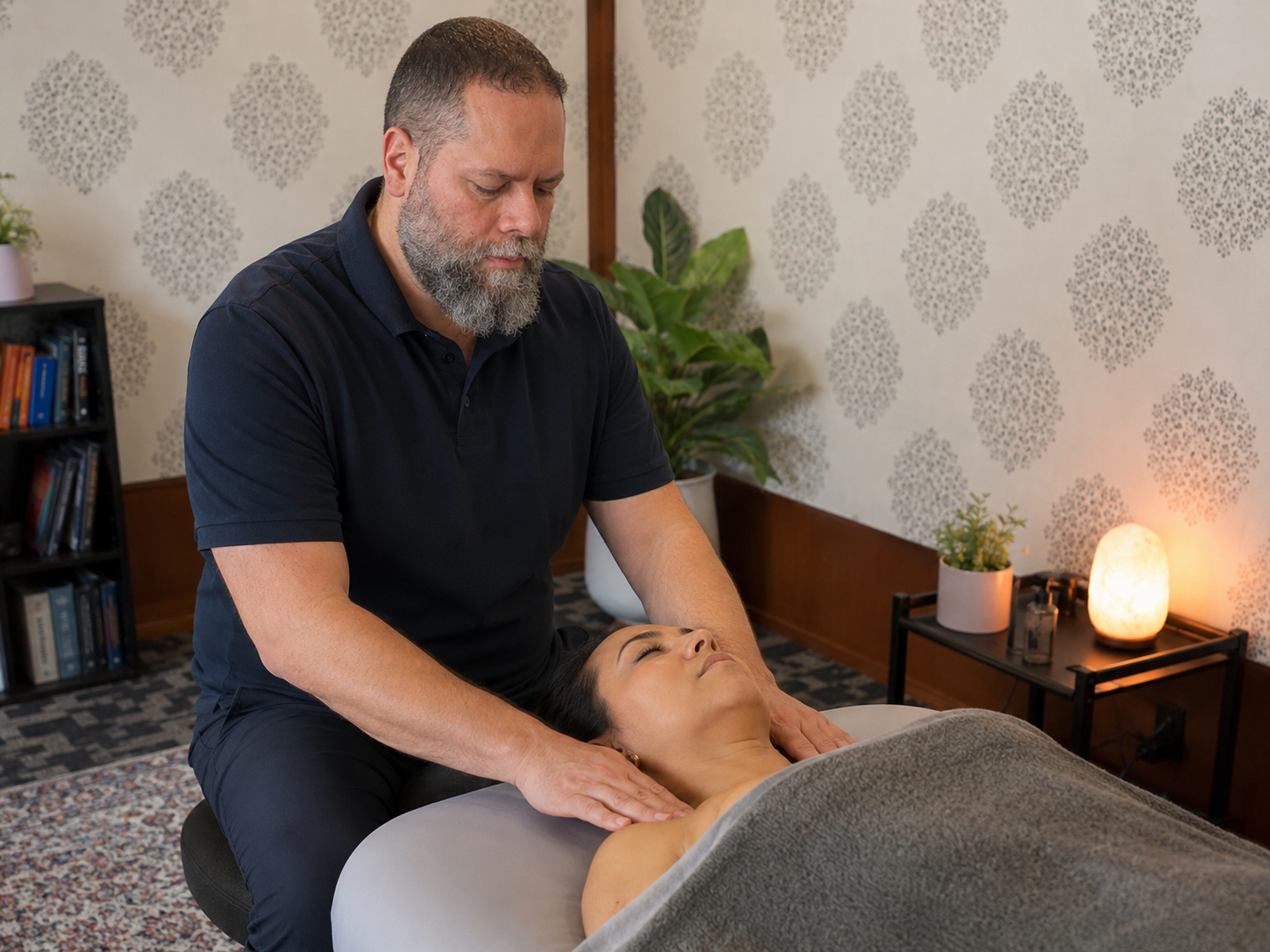
Lymphatic Drainage Therapy (LDT) is not deep tissue massage. It’s a gentle, highly specific approach designed to support the body’s lymphatic system and the movement of fluid in the interstitial space (the space between your cells). Many people are surprised by how subtle the touch is, and how much their body can respond when the nervous system doesn’t have to brace.
The style I practice
I practice LDT as taught through the Chikly Health Institute, developed by Bruno Chikly, MD, DO, LMT. This approach emphasizes skilled palpation, precise sequences, and a calm, structured method that supports fluid dynamics and overall physiologic regulation.

What LDT Is (And What It Isn’t)
LDT is:
Gentle, rhythmic manual work that supports lymph and interstitial fluid movement
A method that prioritizes nervous-system-friendly pacing and specificity
Often experienced as calming, settling, and “lightening” for the body
LDT is not:
Deep tissue or “muscle work”
A replacement for medical treatment, post-surgical care instructions, or physical therapy
A diagnostic service
If you’re working with a physician or specialist, LDT can sometimes be used as part of a broader plan—when appropriate and cleared.
Why Fluid Dynamics Matter (Simple Explanation)
Your body is constantly exchanging fluid between blood vessels, tissues, and lymphatic pathways. When that system is under strain—stress, inflammation, inactivity, repetitive load, or other factors—people may feel puffy, heavy, congested, or simply “off.” LDT is designed to support the body’s own fluid movement and help your system return toward steadier balance.
(Translation: it’s not about forcing something to happen. It’s about giving the body the right kind of input so it can do what it’s built to do.)
People seek LDT for many reasons. Depending on your situation and appropriate medical guidance, LDT may be supportive for:
General fluid heaviness or puffiness
Supporting recovery and regulation when gentle work is most appropriate
Clients who don’t respond well to deep pressure but still need skilled, structured care
Are looking for nervous-system-friendly care that still feels skilled and specific
When LDT May Be Helpful

Safety & Medical Coordination
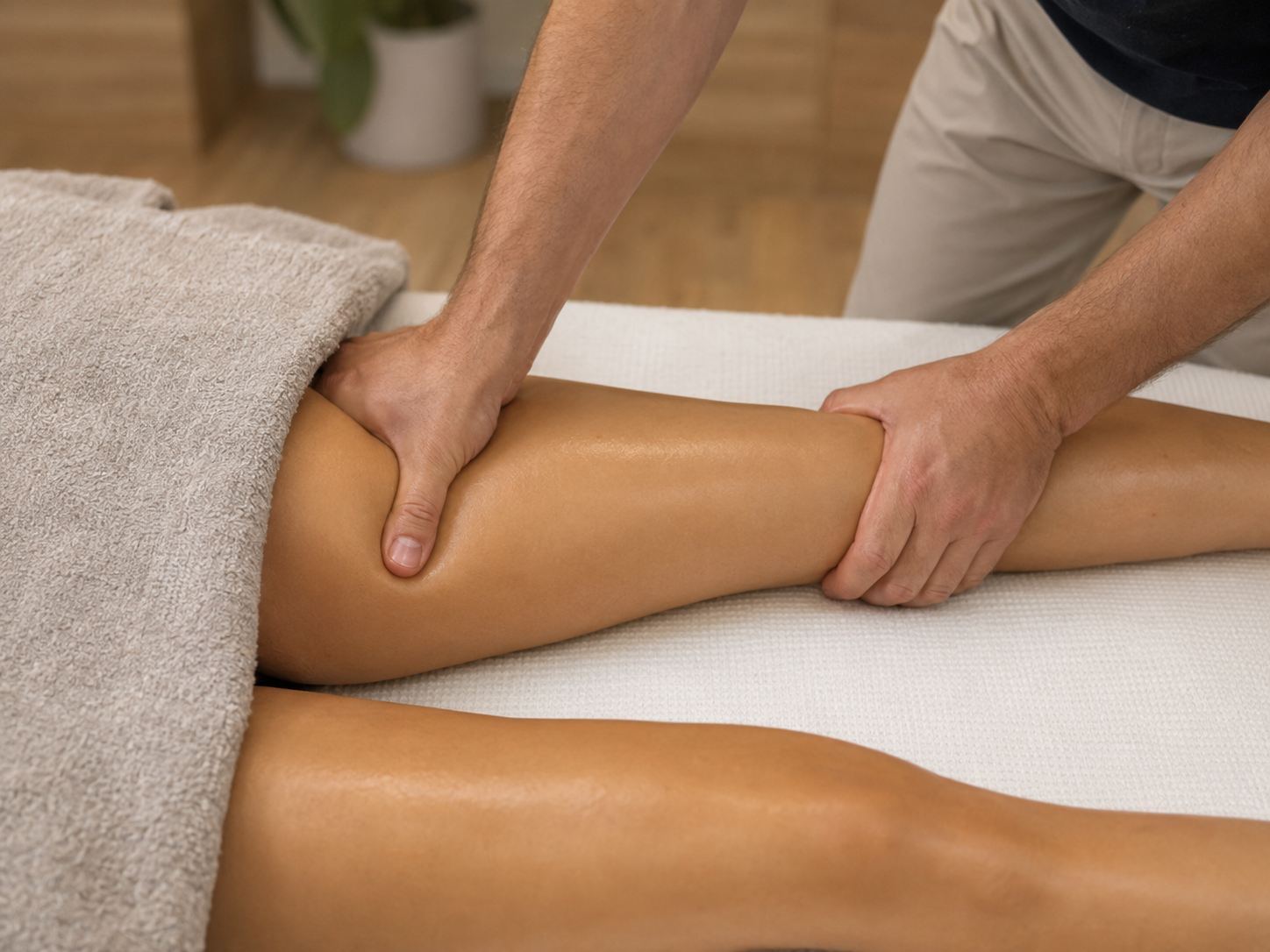
Because the lymphatic system intersects with many medical conditions, we review your health history carefully. In some situations (especially post-surgical or medically complex cases), physician guidance or clearance may be required. When in doubt, we err on the side of safety and collaboration.
What A Session Feels Like
LDT uses very light, specific touch. It’s not a deep-pressure session. Many clients report feeling calmer, lighter, and more regulated afterward.

How to Get Started
If you’re new, you can book an LDT session directly, or start with a brief conversation to confirm fit.